
ET24SWE0062 - Commercial Heat Pump Water Heater Focused Pilot
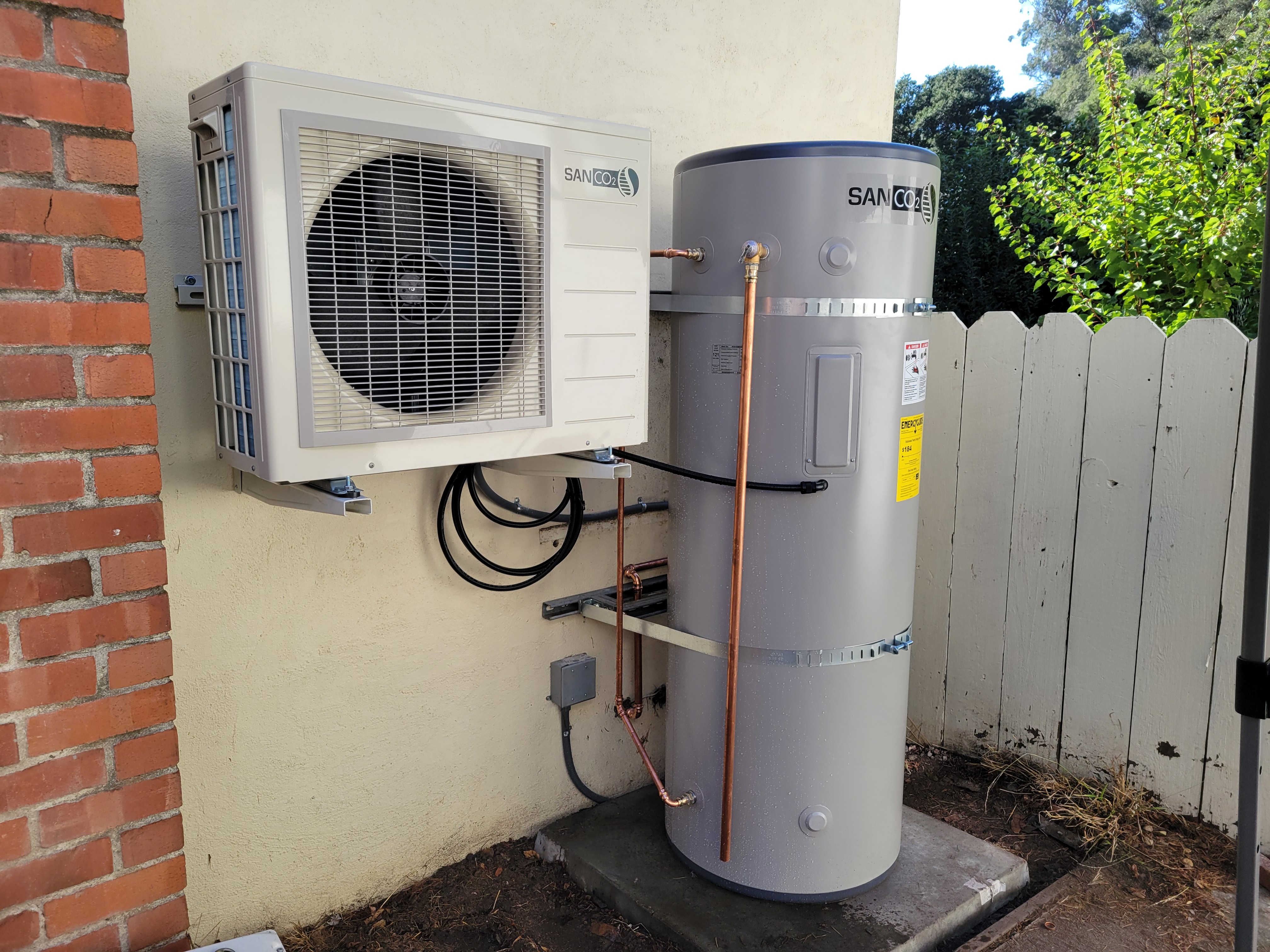
The Commercial Heat Pump Water Heater Focused Pilot aims to address barriers limiting the adoption of heat pump water heaters in commercial buildings, including:
- Lack of customer and contractor familiarity with heat pump water heaters
- Existing water heating program eligibility limitations
- Electrical capacity requirements associated with the installation of heat pump water heaters
- Lack of participation in the Statewide Commercial Water Heating Program
- Limited understanding of customers best suited for commercial heat pump water heaters
These barriers will be addressed through the following activities:
- Market characterization study to better understand the level of familiarity that contractors, distributors, and customers have with the installation of heat pump water heaters in commercial settings.
- Tracking of electrical infrastructure requirements for commercial installations.
- Contractor marketing and education to increase familiarity in commercial heat pump water heater installations and understanding of existing incentive program offerings for heat pump water heaters.
- Providing reduced cost equipment to contractors to for installation at approved community-based businesses like: Community Based Organizations (CBOs), community centers, and places of worship
Heat pump water heaters (HPWHs) are an energy-efficient, reliable source of hot water for households and businesses, with the added benefits of reducing carbon emissions and dehumidification. However, despite available incentives from existing investor-owned utility efficiency programs, commercial uptake of HPWH installations must dramatically increase to meet California’s ambitious carbon neutrality goals set forth by Senate Bill (SB) 1477.
The Light-Duty Commercial HPWH Focused Pilot project team explored potential solutions to the barriers to commercial HPWH adoption by targeted five significant barriers identified by the 2023 Technology Priority Map:
- Lack of customer and contractor familiarity with HPWHs in a commercial setting
- Existing water heating program eligibility limitations
- Electrical capacity requirements associated with the installation of HPWHs
- Lack of participation in existing energy efficiency programs
- Limited understanding of customers best suited for commercial HPWHs
The team hypothesized that improved contractor and customer familiarity with HPWHs would increase commercial customers’ willingness to undertake an HPWH conversion and to overcome the barriers to the adoption of this new technology.
The Focused Pilot offered targeted customers a no-cost light-duty HPWH as a demonstration to encourage these commercial sites to adopt new technology and give contractors experience installing HPWHs in a commercial setting. When necessary, the project team connected the commercial site with a contractor in network to get the equipment installed. The pilot developed marketing materials on HPWH installations to inform contractors of commercial customers best suited for HPWHs. This project provides program implementers with findings and recommendations to inform new and existing HPWH programs about approaches to cost-effectively increase participation and reduce barriers for commercial sites.
The project team concludes with the following recommendations:
- The greatest barrier to adoption of light-duty HPWHs in commercial buildings identified through this pilot is cost, which are primarily driven by the diversity of buildings, the relative installation complexity, and existing building and water heater conditions.
- Additional cost barriers include limited capital budgets for commercial building owners, renters, and property managers, as well as the potential increase in energy costs when shifting from natural gas to electricity.
- Commercial buildings require an increased focus on matching HPWH capacity to meet a diverse set of hot water needs, especially in high-demand or recirculation applications. Limitations of HPWHs relative to existing natural gas systems in high-demand applications, existing distribution inefficiencies, and lack of customer familiarity with the technology all serve as barriers to scaling adoption.
- Current water heating rebate eligibility and amounts favor gas-to-HPWH conversions, which manufacturers indicated during interviews are a greater challenge than electric-to-HPWH conversions.
- Demographic analysis established that the key building typologies with the most immediate opportunity for HPWH adoption in the state are small offices (71,000 sites) and warehouses (74,000 sites).
- Generally, commercial end users have competing priorities and few have dedicated personnel to working on electrification projects.
- Measure packages should be updated to allow for lower rated Uniform Energy Factor requirements to include 120-volt HPWHs and include larger tank size changes for gas-to-HPWH conversions to account for performance differences.